Testo Blue
★★★★☆ 4.8 (12 reviews)
36.65 £
View product
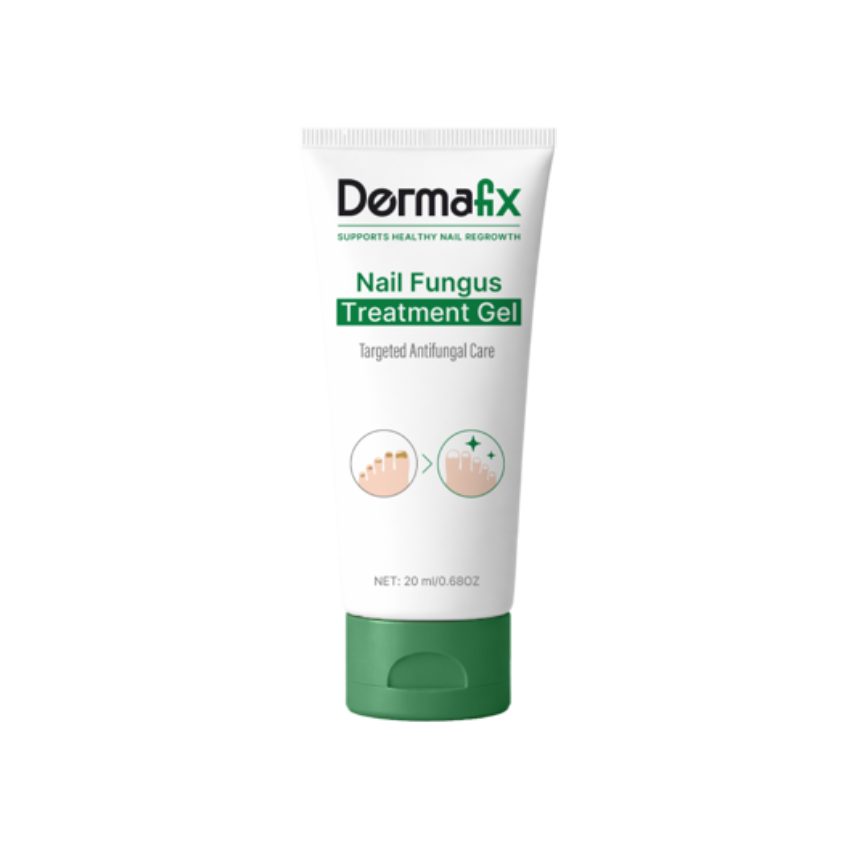
Back from holiday, sandals packed away, and suddenly you are looking at your toenails more closely than you would like? If a nail has turned thick, dull or discoloured and you are weighing up your options, Dermafix is a gel worth understanding properly before you decide. It is a nail fungus treatment gel, a natural antifungal care made by Haruki Limited (Agios Ambrosios 16, Anglisides, 7571 Larnaca, Cyprus).
Start with the everyday problem. Fungus settles in warm, damp places, and nails give it plenty of cover. Many creams struggle because the nail is a hard barrier and the trouble sits underneath it. Dermafix tackles this in steps. First, a trio of actives: tea tree oil, long valued for its natural antimicrobial and antifungal reputation, colloidal silver, traditionally used for its antimicrobial properties, and Bacillus ferment. Second, a carrier made from emu oil and squalane, chosen so the actives travel beneath the surface of the nail towards the areas where fungi multiply. Third, a comforting finish of vitamin E and olive oil to keep nails and surrounding skin hydrated while you treat them.
So does it work? The honest answer is that it is designed to help, and patience matters. The formula aims to create an environment less favourable to fungal growth around the nail, rather than promising an overnight clean slate. Nails grow slowly, so a few weeks may bring small changes in appearance, while more noticeable improvement generally comes after 8 to 12 weeks of regular daily use.
It suits adults who like to compare options carefully, who prefer naturally derived ingredients and who want something gentle enough for daily use, without irritation or harsh chemical odours. The gel is applied or brushed straight onto the nail, edges and under the tip included. As with any wellness product, the health claims on the website have not been scientifically proven or evaluated by doctors, so treat it as part of a sensible care routine.
| Ingredient | Dosage | Role |
|---|---|---|
| Tea tree oil (Melaleuca alternifolia) | Not disclosed | Purifying ingredient known for its natural antimicrobial and antifungal properties, traditionally used to help address fungal problems and promote healthy nails; the core antifungal active of the formula. |
| Colloidal silver | Not disclosed | Healing ingredient traditionally used for its antimicrobial properties; supports skin healing through its natural antibacterial characteristics and, together with tea tree oil, helps create an environment less favorable to fungal growth. |
| Bacillus ferment | Not disclosed | Revitalizing natural ferment that helps improve skin texture and supports the skin's natural balance through gentle exfoliation; part of the synergistic antifungal blend. |
| Emu oil | Not disclosed | Soothing, deep-penetrating oil base that helps reduce inflammation and supplies nutrients and essential fatty acids; carries the active ingredients beneath the surface of the nail. |
| Squalane | Not disclosed | Hydrating emollient that supplies natural oils to increase hydration and elasticity of the nail bed and surrounding skin; works with emu oil to promote rapid penetration of the actives. |
| Vitamin E (tocopherol) | Not disclosed | Protective antioxidant that helps guard against nail damage and improves skin hydration. |
| Olive oil (Olea europaea fruit oil) | Not disclosed | Nourishing plant oil that hydrates and revitalizes the nails and surrounding skin during treatment. |
The first thing to say about the main benefit is that it is about the nail's surroundings. Dermafix is formulated to create an environment less favourable to fungal growth around the nail. Rather than treating the nail as an isolated surface, the gel works on the conditions in which fungus likes to thrive. That is the idea behind combining tea tree oil, colloidal silver and Bacillus ferment into one synergistic antifungal blend, aimed at visible results and healthier-looking nails.
Each active has its own part. Tea tree oil is renowned for its natural antifungal properties and is traditionally used to help address fungal problems and promote healthy nails. Colloidal silver is traditionally used for its antimicrobial qualities and supports skin healing thanks to its natural antibacterial character. Bacillus ferment improves skin texture and supports the skin's natural balance through gentle exfoliation.
Getting the actives to the right place is the next step. The emu oil and squalane base is built for deep absorption, so the ingredients can move beneath the surface of the nail and reach the infected areas where fungi proliferate. Emu oil also soothes, helps reduce inflammation and delivers nutrients and essential fatty acids, while squalane raises hydration and elasticity in the nail bed and surrounding skin.
Then there is comfort during the weeks of treatment. Vitamin E offers antioxidant protection against nail damage and improves skin hydration, and olive oil nourishes and revitalises, so nails and skin are cared for while the gel gets on with its job and the natural healing process is supported.
Finally, the practical side. The ingredients are naturally derived and gentle enough for daily application, without irritation or harsh chemical odours, and the oil-based gel can be applied or brushed straight onto the nail, including the edges and under the tip.
Most people comparing nail treatments want to know what could go wrong, and the answer here is fairly short but worth reading. Skin irritation or an allergic reaction can occur in people with very sensitive skin, or in anyone with a known allergy to an ingredient. The ones to watch are tea tree oil, olive oil, emu oil, vitamin E and colloidal silver.
A simple precaution is a patch test on a small area of skin before you begin, particularly if your skin reacts easily. If redness, itching or discomfort appears, it makes sense to stop and seek advice rather than push on.
As for how often problems occur, product-specific adverse-event frequencies are not disclosed, so no reliable figures can be given. That is stated plainly here rather than guessed at, and it is one more reason to start carefully and pay attention to how your skin responds in the first days.
Dermafix is not recommended for anyone under 18. If you are pregnant or breastfeeding, taking medication or living with a health condition, speak to your doctor before using it. The same goes if you are already using prescription antifungal medication or other medical treatments: ask a healthcare professional before combining products, so that you know they are compatible.
Avoid applying the gel on broken or severely irritated skin, and do not use it at all if you know you are hypersensitive to any ingredient on the list.
One more point deserves a place in your decision. Nail fungus can be persistent and in some cases needs professional medical treatment. If you see no improvement after 8 to 12 weeks of regular use, or if the condition gets worse, consult a healthcare professional or dermatologist. Please also remember that the health claims on the website have not been scientifically proven or evaluated by doctors.
Dermafix is made by Haruki Limited, a company registered at Agios Ambrosios 16, Anglisides, 7571 Larnaca, Cyprus. Knowing who stands behind a nail treatment is a reasonable thing to check when you are comparing several products, and the manufacturer's name and address are listed openly rather than hidden.
The formula is built around naturally derived ingredients: tea tree oil, colloidal silver, Bacillus ferment, emu oil, squalane, vitamin E and olive oil. As with any care product, quality in this sector generally depends on sourcing, careful blending and sensible storage, which is why the guidance to keep the cap tightly closed and the bottle away from heat and sunlight is worth following.
No specific certifications are claimed here, and none should be assumed. If you want more detail about production, the sensible step is to contact the seller directly. Buying only from the official website also helps you avoid counterfeit or badly stored versions.
The routine is simple. Once a day, on clean, dry nails, apply or brush the gel straight onto the affected nail, taking in the edges and the area beneath the tip if you can reach it. Then massage gently for 30 to 60 seconds so the gel is absorbed. There is no need to rinse it off.
Timing is up to you, but a regular slot helps. Many people pick the evening, perhaps after a bath, or the first morning back to normal after a holiday. What matters is that you do not skip days. Daily use for at least three months is recommended for visible improvement, and the advice is to continue until the affected nail has fully grown out. Some people notice changes within a few weeks, while more significant improvement generally appears after 8 to 12 weeks.
Practical tips: it can be used alongside other nail-care products. Store the bottle at room temperature, away from direct sunlight and heat, keep the cap tightly closed, keep it out of children's reach and use it within 12 months of opening. If you see no improvement after 8 to 12 weeks, or things worsen, seek professional advice.
Apply it once a day to clean, dry nails. Brush or spread the gel over the affected nail, including the edges and, where you can reach, beneath the tip. Massage gently for 30 to 60 seconds to help it absorb, and do not rinse it off. Consistency matters more than quantity, so try to fit it into the same moment each day, for example after your evening shower.
Nails grow slowly, so patience is part of the deal. Some people notice small changes in how their nails look within a few weeks, while more significant improvement generally appears after 8 to 12 weeks of regular daily use. For best results, carry on until the affected nail has fully grown out. If nothing has improved after 8 to 12 weeks, speak to a healthcare professional or dermatologist.
It is made with naturally derived ingredients and is designed to be gentle enough for daily application, without irritation or harsh chemical odours. Even so, people with very sensitive skin or a known allergy to tea tree oil, olive oil, emu oil, vitamin E or colloidal silver may react, so a patch test is sensible. Avoid broken or severely irritated skin, and stop if you know you are hypersensitive to any ingredient.
Keep it at room temperature, away from direct sunlight and heat, with the cap tightly closed between uses. Keep it out of reach of children, and use it within 12 months of opening. Because the recommended routine is daily use for at least three months, many people plan their purchase around that timeframe.
It can be used alongside other nail-care products. If you are using prescription antifungal medication or any other medical treatment, however, check with a healthcare professional before combining them, to be sure everything is compatible. The same advice applies if you take other medication or have a health condition.
It is not recommended for anyone under 18. If you are pregnant or breastfeeding, taking medication or have a health condition, consult your doctor first. It should not be used on broken or severely irritated skin, nor by anyone with known hypersensitivity to an ingredient.
We would advise against it. Marketplaces such as Amazon can carry counterfeit or poorly stored copies, and you could not be sure the gel in your hand matches the genuine formula. To be certain of an authentic product, order from the official website only.
No. It is not stocked in high-street pharmacies. Dermafix is available only through the official website, which is the safest way to be sure you are receiving the genuine product.
I wondered whether a gel could really get through a thick nail, so I read the instructions twice and did a patch test first. No irritation at all. After about ten weeks my nail looks clearer than it did.
Started it after a summer of sandals. I was careful to dry my feet properly before each application. It has no strong smell, which I was pleased about, and it fits easily into my evening routine.
My question at the start was how long it would take, and the answer is: a while. Nothing dramatic in the first month, but the nail is looking healthier by week nine. I wish I had been more patient from day one.
I check with my GP before trying anything new, and she was happy for me to go ahead. Using it daily, the skin around my nail feels softer and the nail itself looks better.
I was unsure about using it near the edges and under the tip, but the gel brushes on easily. I massage it in for a minute as directed. Nice texture, not greasy for long.